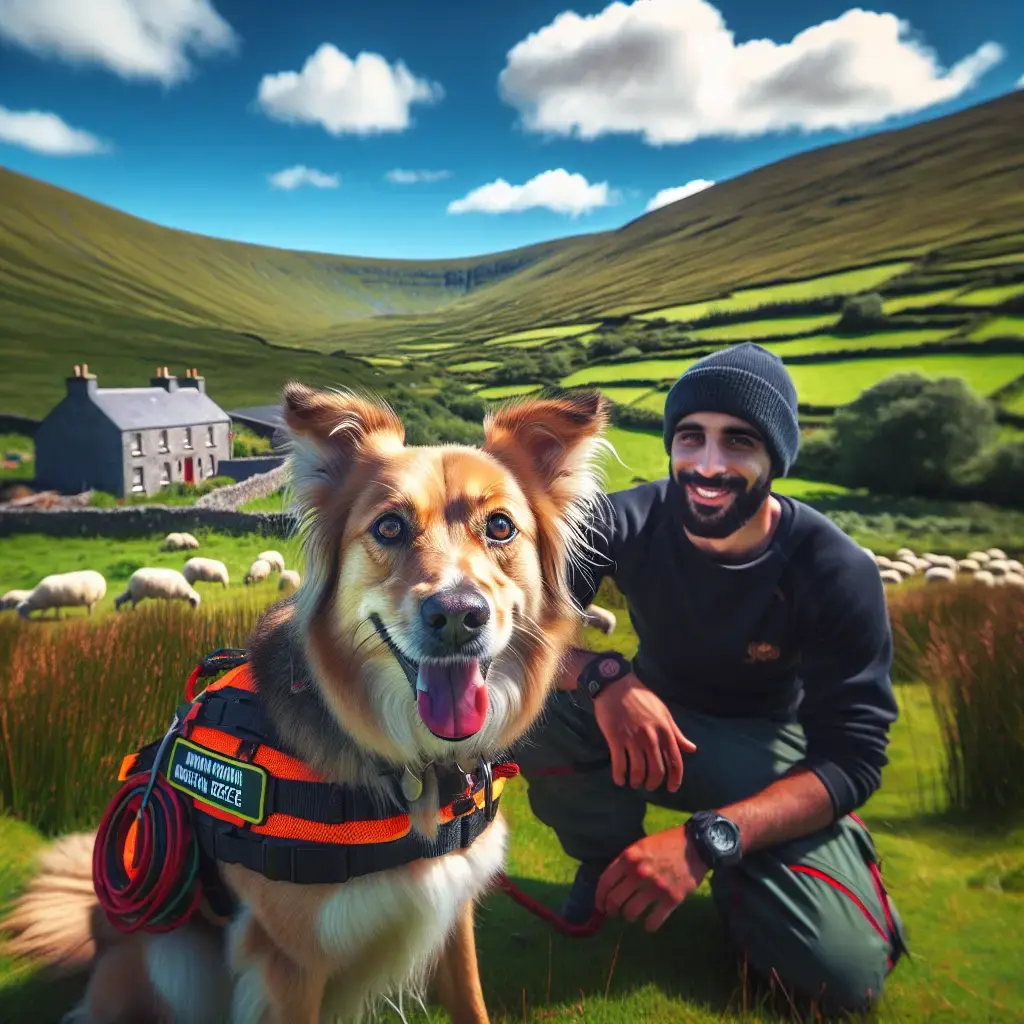
Training a rescue dog is a journey of dedication, patience, and the building of an unbreakable bond between human and canine.
When it comes to training a rescue dog, especially one intended for the demanding task of mountain rescue, the process is as much about building trust as it is about teaching commands. As illustrated by John G. O'Dwyer in a piece on Ireland's mountain rescue dogs, the heart of this endeavor lies in mutual understanding and motivation.
The Fundamentals of Training
Training a rescue dog can take a couple of years and requires a deep commitment from both the handler and the dog. This journey starts with:
Basic Obedience Training: Like all dogs, rescue dogs need to master basic commands such as sit, stay, come, and heel. These form the foundation for more advanced tasks.
Socialization: Rescue dogs must be comfortable around people, other animals, and in various environments. Socialization ensures they remain calm and focused even in unfamiliar settings.
Building Trust: Trust between the handler and the dog is crucial. Training sessions should be consistent and positive to reinforce this bond.
Motivation Through Praise
As demonstrated by Rosie, a mountain rescue dog in Ireland, motivation often comes from simple but powerful sources—praise and affection. Rosie’s drive to find missing persons is fueled by the praise she receives upon completing her task. This highlights the importance of:
Positive Reinforcement: Using treats, praise, or play as rewards encourages desired behaviors and strengthens the dog’s motivation.
Clear Communication: Dogs thrive on clear and consistent cues from their handlers. This ensures they understand what is expected of them.
Advanced Training for Rescue Work
Once basic obedience is established, dogs can begin specialized training for rescue work:
Scent Training: Rescue dogs need to hone their ability to track and identify human scent over vast distances and challenging terrain.
Navigation Skills: Dogs learn to maneuver through diverse landscapes safely, including mountains, forests, and bodies of water.
Emergency Response Drills: Simulated rescue scenarios prepare dogs for real-life missions where quick thinking and action are necessary.
The Journey to Mastery
Training a rescue dog is not just about developing skills; it's about nurturing a partnership where each party relies on the other. This journey transforms both dog and handler, culminating in a team ready to save lives.
As handlers invest their time and energy into training their canine partners, they must remember that every challenge is an opportunity for growth. The joy of seeing a rescue dog like Rosie succeed is unmatched—a testament to the hard work and mutual respect that defines their relationship.
For those inspired by Rosie's story and eager to embark on this rewarding path, remember that patience and positivity are your greatest tools. With these, you can transform any willing dog into a hero.
For more insights into the world of rescue dogs like Rosie, visit The Irish Times.
May your journey with your rescue dog be filled with growth, joy, and countless moments of shared triumph.
Warm regards,
Jessica Bennett