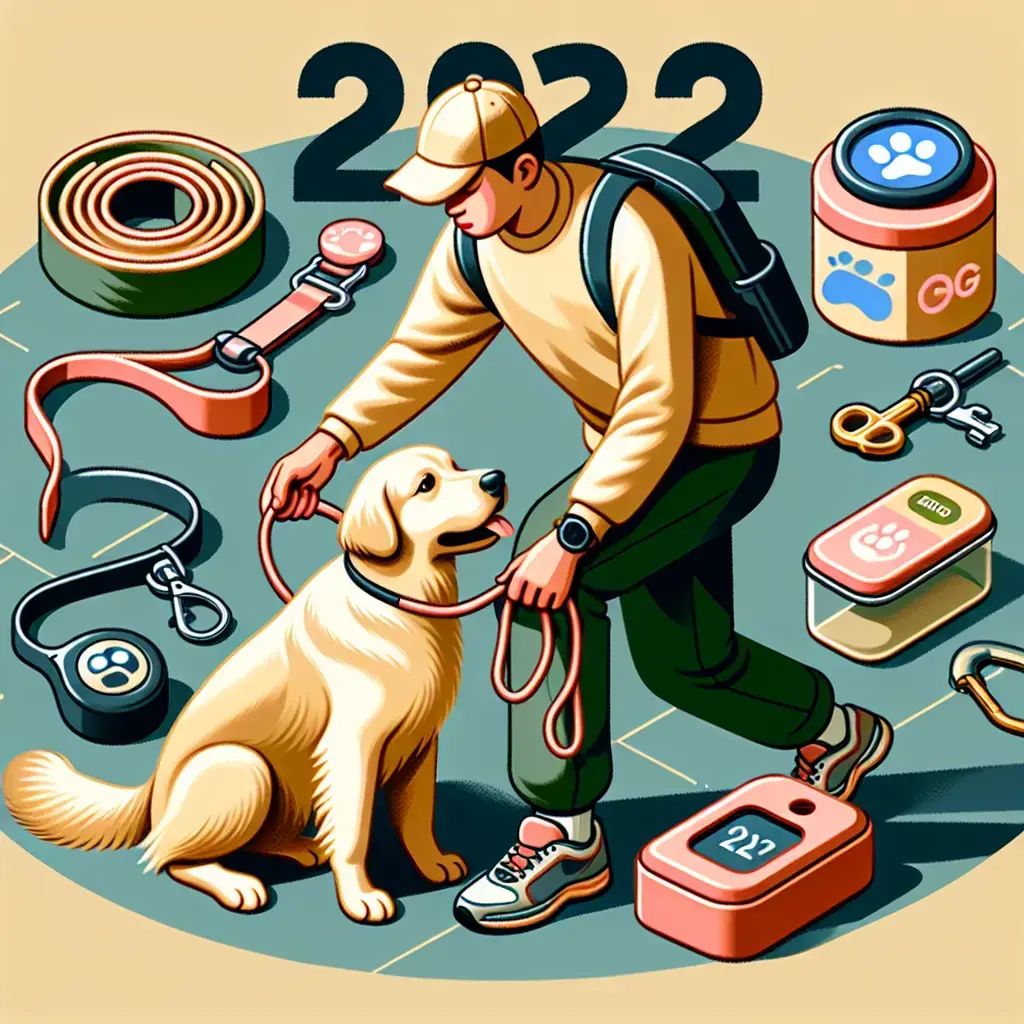
Training a rescue dog can be one of the most rewarding experiences for any pet owner, offering a unique opportunity to bond and grow together.
When you decide to adopt a rescue dog, you’re not just bringing home a pet; you’re welcoming a new family member who might have experienced challenges in the past. This journey, although fulfilling, requires patience, understanding, and the right approach to training. Here are some essential steps and tips on how to train a rescue dog effectively.
Understand Their Background
Before diving into training, it’s important to understand the history of your rescue dog. Many rescue dogs have faced neglect or abuse and may exhibit fear or anxiety as a result. Spend time getting to know your dog's behavior and triggers. Patience is key—each dog will adapt at their own pace.
Establish Trust
Building trust with your rescue dog is crucial. Start by creating a safe and comfortable environment at home. Provide them with their own space where they can retreat when feeling overwhelmed. Positive reinforcement is vital in this stage. Reward good behavior with treats, praise, and affection to foster trust and encourage them to open up.
Basic Training Commands
Once your dog feels secure, you can start with basic commands. Consistency is important:
- Sit: Hold a treat above their head and say "sit" as they naturally lower their bottom.
- Stay: Once they master 'sit,' teach 'stay' by taking steps back, rewarding them for holding their position.
- Come: Use this command to reinforce recall, rewarding them when they respond positively.
Socialization
Socializing your rescue dog is another crucial step in training. Gradually introduce them to different environments, people, and other animals. Start with controlled settings to prevent overwhelming them. Socialization helps in reducing anxiety and fear, promoting a well-rounded personality.
Exercise and Play
Regular exercise is essential for a dog's physical and mental well-being. Take them for daily walks or engage in play sessions. Activities like fetch or agility courses can help burn off energy and reduce stress.
Professional Help
If you encounter persistent behavioral issues, don’t hesitate to seek professional help. A qualified dog trainer can provide personalized strategies that cater to your dog's specific needs.
Consistency and Patience
Remember, training a rescue dog takes time. Consistency in commands, routines, and rules will help them adjust faster. Celebrate small victories along the way and remain patient through setbacks.
Training a rescue dog is a journey filled with challenges and triumphs. By investing time and effort into their training, you're not only enhancing their life but enriching your own as well.
For more detailed guidance on dog training essentials, you can refer to resources like this article.
Embrace this journey with love and patience, and you'll find a loyal companion who will be eternally grateful for the second chance you've given them.
Warm regards,
Jessica Bennett