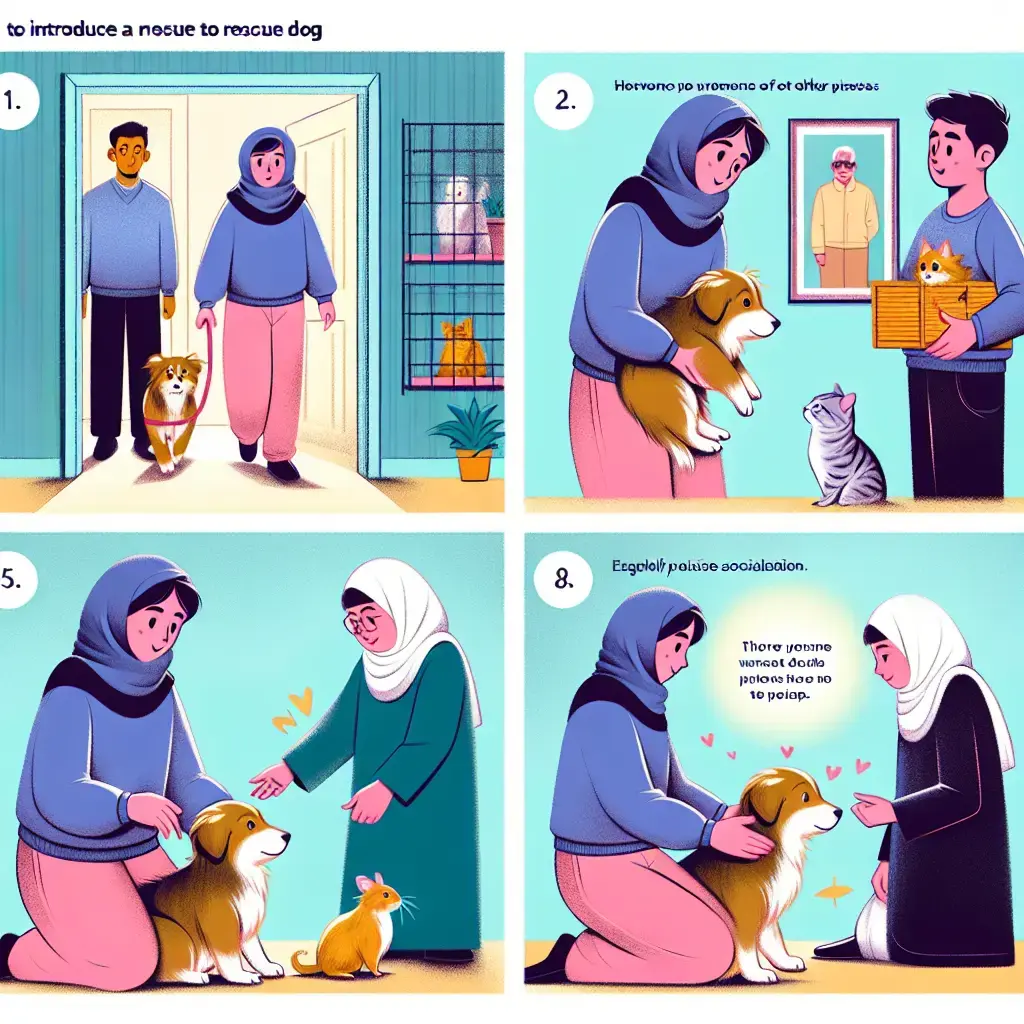
Welcoming a rescue dog into your home is a heartwarming and transformative journey. However, integrating them into a household with existing pets requires careful planning and understanding. This guide explores effective strategies to socialize your rescue dog with other pets, ensuring a harmonious multi-pet environment.
Understanding Rescue Dog Behavior
Before introducing your rescue dog to other pets, it's crucial to understand their behavior. Many rescue dogs have had limited interactions with other animals, which can lead to unpredictable behavior. According to the American Society for the Prevention of Cruelty to Animals (ASPCA), recognizing these behaviors is key to successful integration. Dogs may exhibit fear, anxiety, or even aggression when faced with new companions. Understanding these signals early on can help tailor your approach to socialization.
Case Study: Journey’s Rescue
Journey's story, as reported by Newsweek, is a poignant reminder of the challenges some rescue dogs face. Rescued from a life of neglect and used as a 'punching bag' for fighting dogs, Journey exemplifies the resilience of rescue animals. His journey underscores the importance of patience and proper techniques when introducing such dogs to new environments and companions.
Proven Dog Socialization Techniques
Gradual Introductions: Start by allowing your rescue dog to sniff and observe other pets through a barrier, like a baby gate. This helps them get accustomed to each other's scent without direct contact.
Controlled Meetings: Once your dog seems comfortable, organize short, controlled meetings on neutral ground. Keep both animals on a leash initially to manage interactions safely.
Positive Reinforcement: Reward calm and positive behavior with treats or praise. This encourages your rescue dog to associate other pets with positive experiences.
Consistent Training: Incorporate training sessions into your routine. Focus on basic commands like "sit" and "stay" to instill discipline and reduce anxiety during introductions.
The Role of Rescue Dog Training
Training is pivotal in enhancing your dog's social skills. Tailored training can unlock potential beyond typical pet behaviors. By incorporating training that suits your dog's needs, you build confidence and reduce stress during interactions with other pets.
Socializing Adopted Dogs with Cats
Introducing a rescue dog to a household with cats requires additional care. Here are some tips:
Use a Scent Exchange: Rub a cloth on each pet and place it in the other's space to familiarize them with each other's scent.
Create Safe Spaces: Ensure your cat has access to high perches or separate rooms where they can retreat if they feel threatened.
Monitor Body Language: Observe both animals closely for signs of stress or aggression, intervening if necessary.
Multi-Pet Household Tips
Maintaining peace in a multi-pet household involves more than just initial introductions:
Routine and Structure: Establishing a consistent routine helps all pets know what to expect, reducing anxiety.
Individual Attention: Spend one-on-one time with each pet to ensure they all feel valued and loved.
Observe Playtime: Supervise play sessions initially to ensure they remain friendly and non-aggressive.
Overcoming Challenges in New Pet Introduction
New pet introductions can pose challenges that require creative solutions. Addressing the emotional needs of older pets during this transition is critical. Ensuring all pets thrive emotionally and physically in a multi-pet home aligns with the importance of quality of life over mere longevity.
Conclusion: Fostering Lasting Harmony
Incorporating rescue dog integration strategies effectively transforms potential chaos into harmony within your household. Here are the key takeaways for ensuring a smooth transition:
Understanding Behavior: Recognize that rescue dogs may display fear, anxiety, or aggression due to past experiences. Tailor your approach to their unique behaviors to facilitate successful integration.
Gradual Introductions: Begin with barrier-separated interactions, followed by controlled meetings on neutral ground.
Positive Reinforcement: Use treats and praise to reward calm behavior, fostering positive associations between your rescue dog and other pets.
Consistent Training: Incorporate basic commands and specialized training to build your dog's confidence and reduce stress during introductions.
Special Care for Cats: Implement scent exchanges and provide safe spaces for cats.
Routine and Individual Attention: Establishing a routine and spending quality time with each pet ensures they feel secure and valued.
Fostering harmony in a multi-pet home requires patience, understanding, and creativity. As you embark on this transformative journey, remember that every effort made towards understanding and accommodating each pet's needs enriches their lives and yours.
We invite you to reflect on your own experiences in integrating rescue dogs with other pets. Share your stories, insights, or questions in the comments below—your experiences might just help another pet owner navigate their unique challenges. For further guidance on socializing adopted dogs, explore the ASPCA's comprehensive pet introduction guide for expert advice. By staying informed and adaptable, you create a home where all your pets feel secure, loved, and valued. Together, let's continue to build enriching environments for our beloved companions.